
Bulletproof shields are far from being movie props—they are core protective equipment for modern military, police, and security duties. Capable of effectively resisting lethal threats such as bullets and shrapnel, they are widely used in counter-terrorism, escort missions, and other high-risk scenarios. Qualified products must pass authoritative ballistic test certifications.
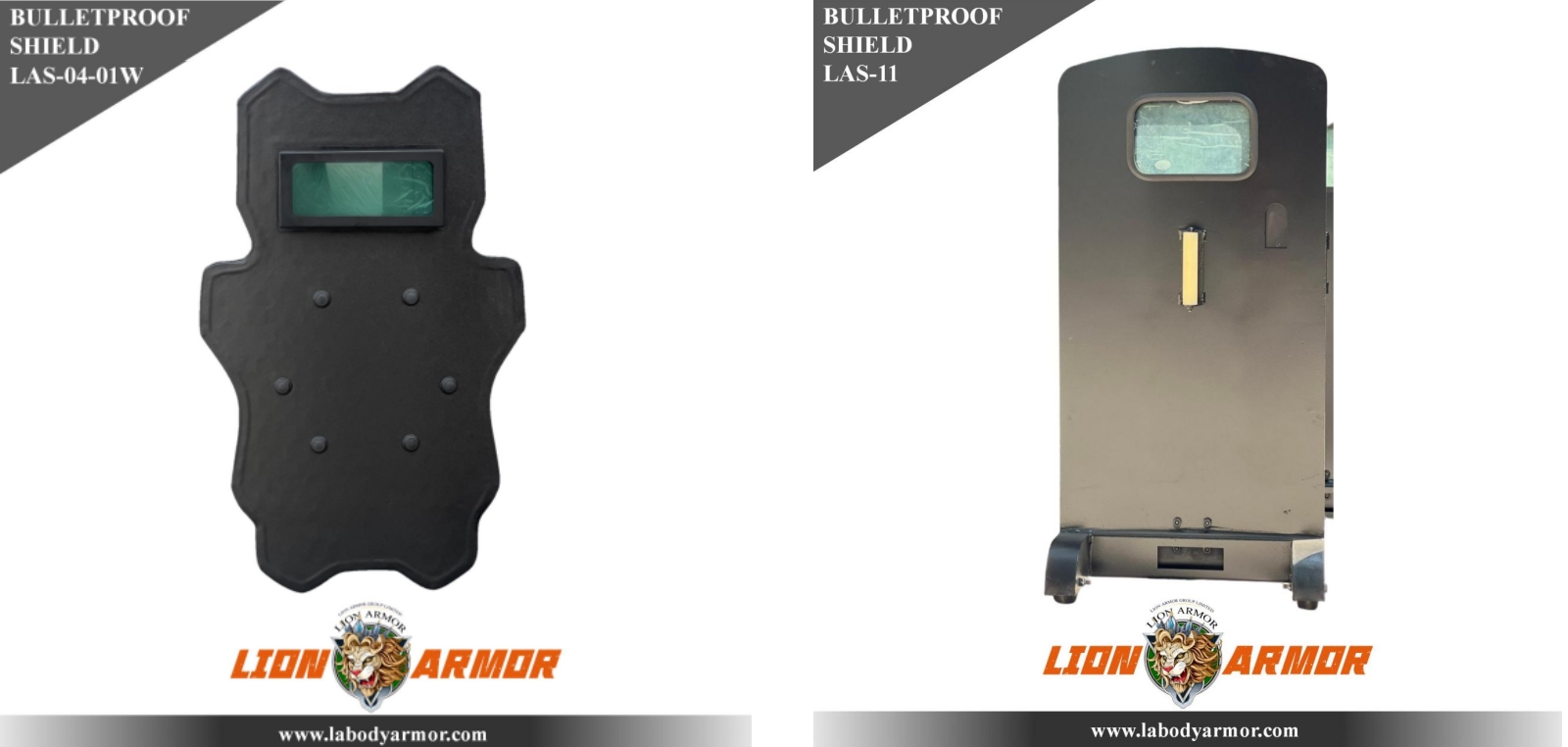
Classified by form, bulletproof shields mainly fall into two categories: handheld models (flexible and portable, suitable for individual operations) and wheeled models (high protection level, ideal for collective defense). Some special designs further enhance operational flexibility.
The core of their protective capability lies in materials: High-strength alloys balance hardness and corrosion resistance; bulletproof ceramics absorb bullet kinetic energy through their own fragmentation, delivering excellent protective performance; ultra-high molecular weight polyethylene (UHMWPE) offers the advantages of light weight and high strength, making shields more portable. In addition, the shield surface is usually covered with PU coating or fabric for water resistance, UV protection, and anti-blunting. The bulletproof glass observation window ensures clear visibility for users while under protection. High-end models may also integrate lighting and communication functions to further improve mission adaptability.
Whether a bulletproof shield can stop bullets depends on its protection level. Regular products must undergo third-party authoritative ballistic testing, and the certification level determines the type of bullets it can resist (e.g., pistol rounds, rifle rounds). As long as you choose certified products with the appropriate level according to actual needs, you can obtain reliable protection.
In summary, bulletproof shields are real and effective tactical protective equipment. Choosing officially certified products is the key to ensuring security protection.
Post time: Jan-07-2026